


Project Description and Activities
In the Schoneiche project, approximately 260 hectares of a largely single-layered pine forest near Gebersdorf, roughly 60 kilometers south of Berlin, are being converted into a species-rich and structurally diverse mixed forest.
Structurally poor, pine-dominated stands are gradually being developed into a diverse forest by planting additional tree species or promoting natural regeneration. Rare species such as mountain ash, wild fruit, sweet cherry and yew, as well as various oak species, are being added to create new biotopes and increase biodiversity. The high proportion of deciduous trees and the introduction of climate-resilient species will create a stable mixed forest that is better equipped to face the increasing challenges of climate change, such as storms, drought and pest infestation.
The ambitious, experienced and ecologically orientated forest owner consistently focuses on sustainable management measures and thus contributes to the long-term protection of this valuable forest ecosystem.
Project activities
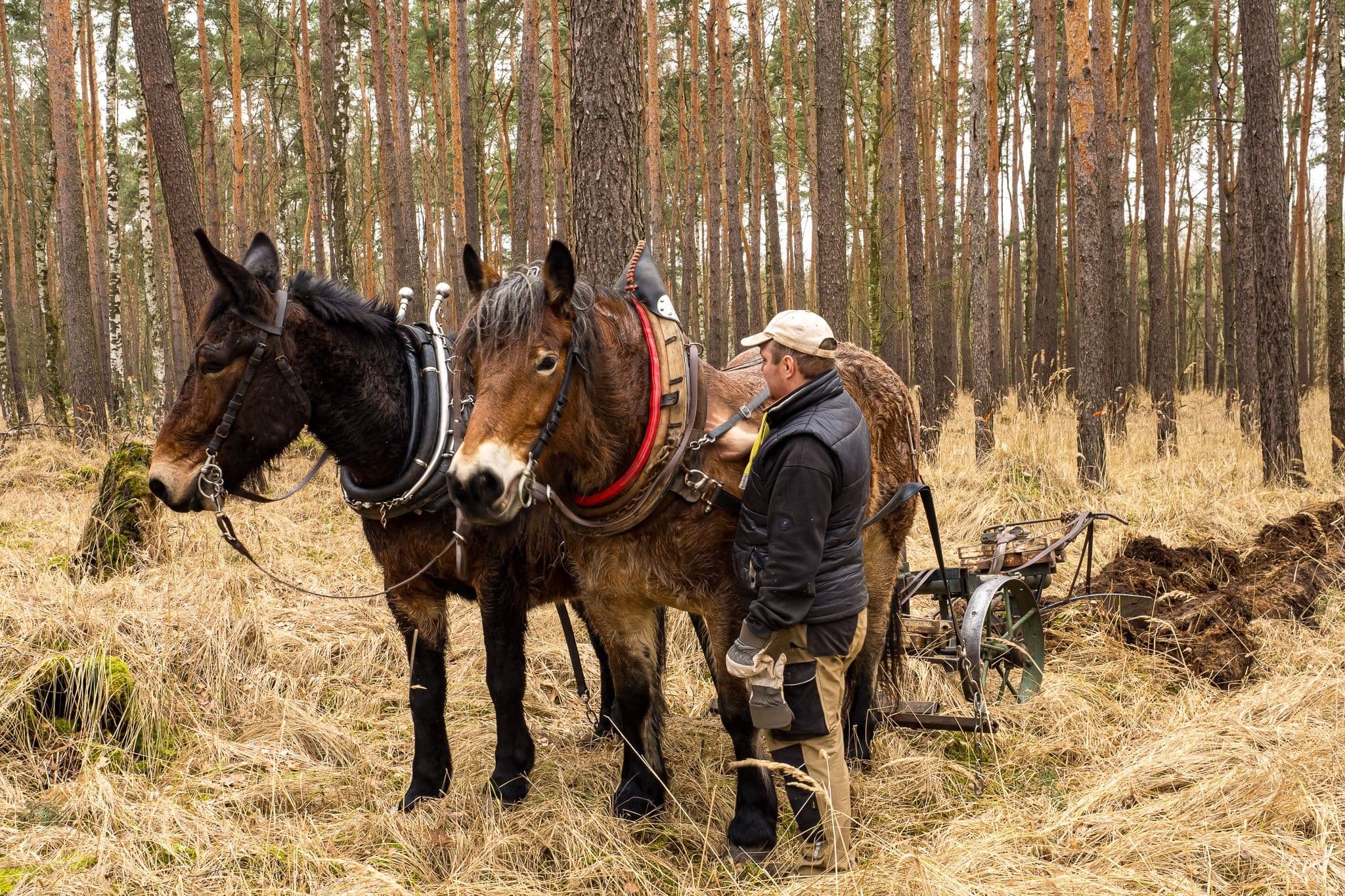
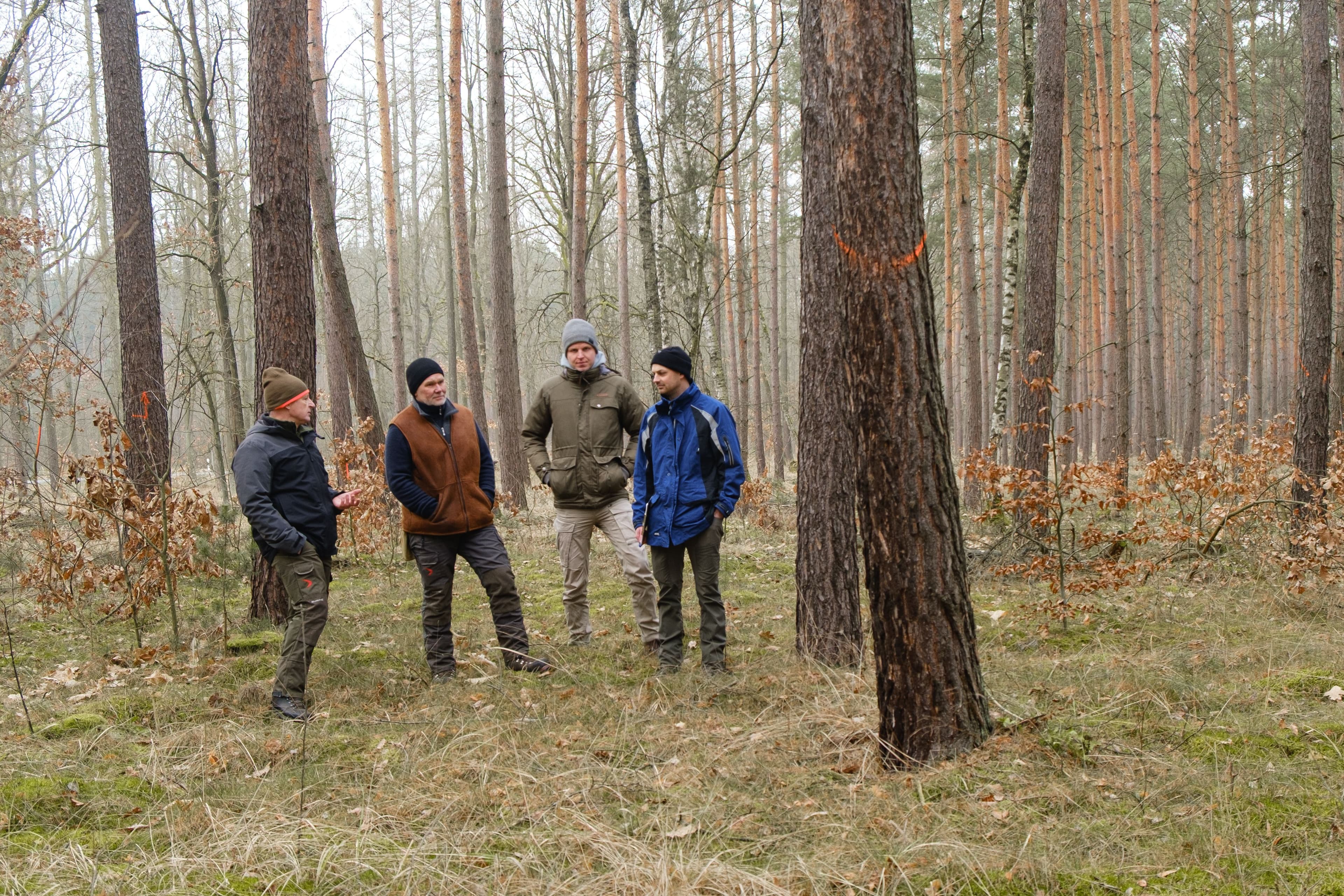
Impressions of the project
Why we need forest adaptation
Storms
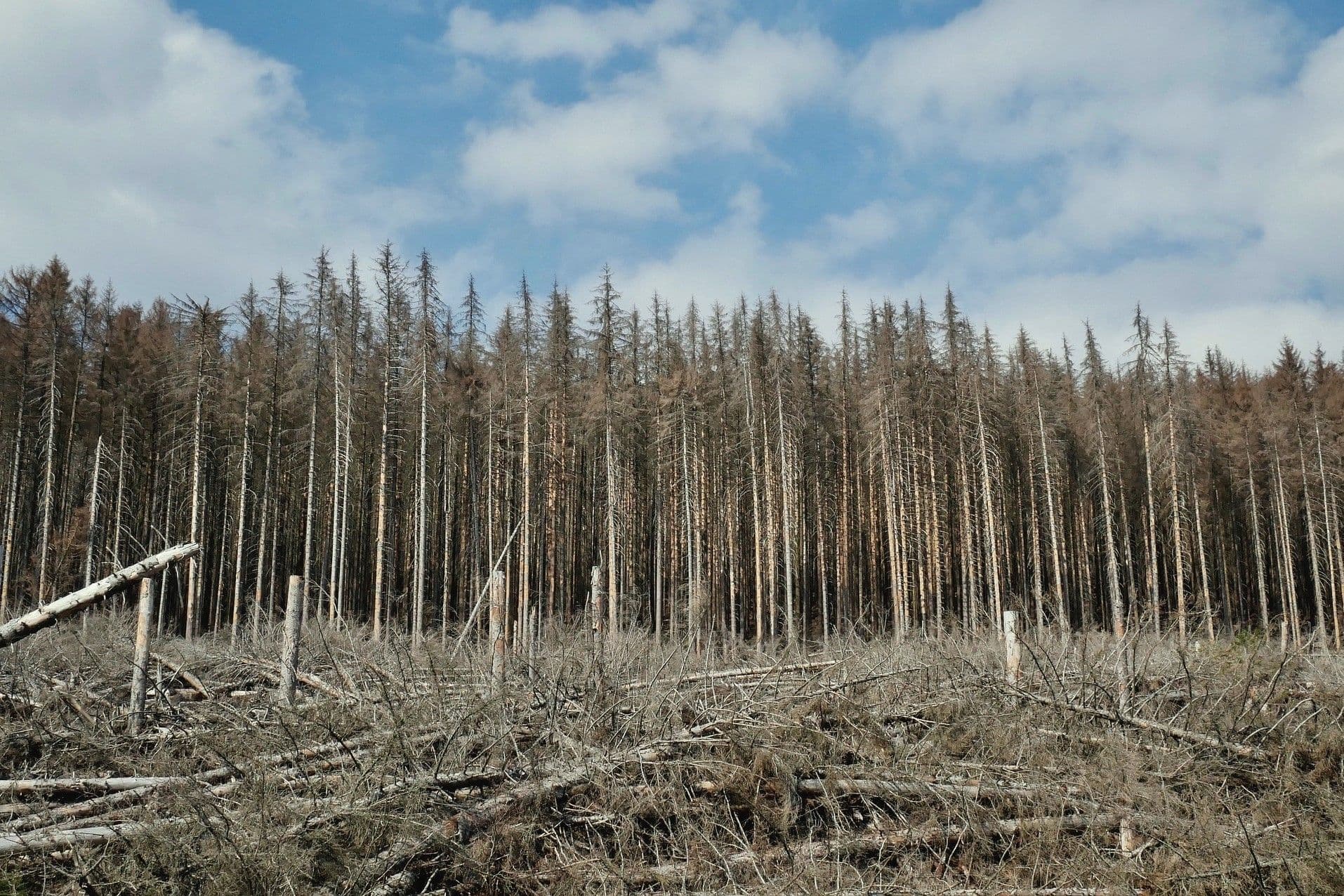
Forest areas with many tall and thin trees are more susceptible to storm damage (so-called windthrow). If, in addition, most of the trees in a section of forest are the same height, storms can lead to the loss of entire forest sections.
Beetle infestation
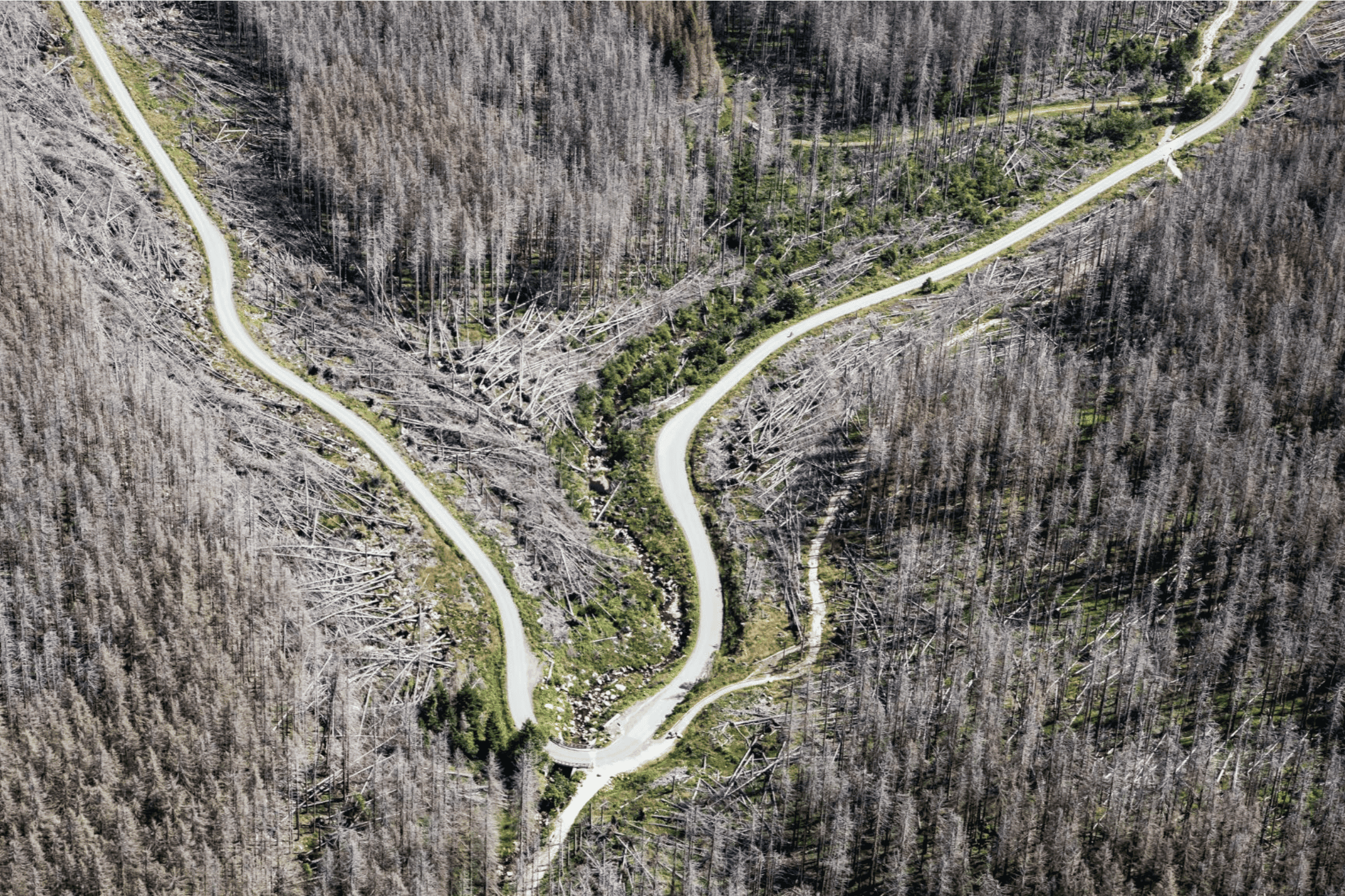
Prolonged drought weakens trees, which can then no longer adequately protect themselves against bark beetles and other infestations. As the trees are close together, a beetle infestation can easily spread to the entire forest and destroy large areas of it.
Impact of the project
Species distribution at project start
Number of main tree species
Biodiversity Index
Contribution to the UN SDGs

The Project Team
Till Standarski
from Pina Earth is overseeing the project from the quantification and certification side. This includes, for example, simulating the forest's development over the next 30 years. Find out more here.
Stephan Thrun
„We manage the forestry operation as a family business and we're trying to achieve a diverse, climate-resilient mixed forest in the future.“
Stefan Thrun
Forest Owner
Project updates
9/23/2026
Protection for the Next Generation of Forests
Natural regeneration continues to progress well and is being supported by spot seeding. To ensure that the young trees can establish themselves undisturbed, a contract was also awarded for the construction of approximately one kilometer of wildlife fencing.
12/31/2025
Addition of new tree species
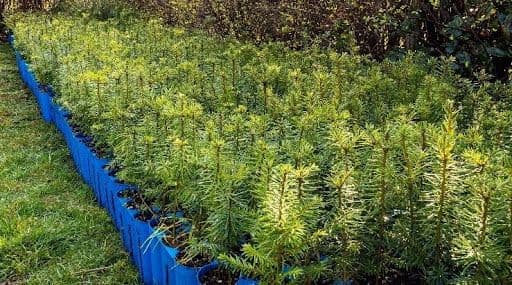
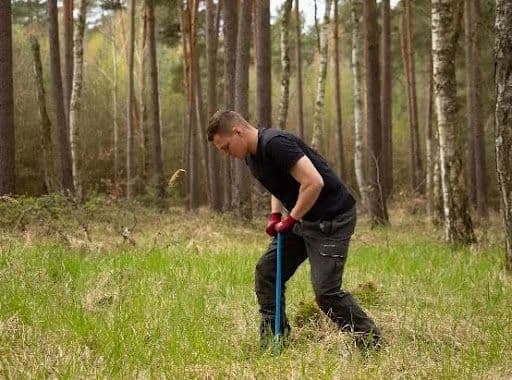
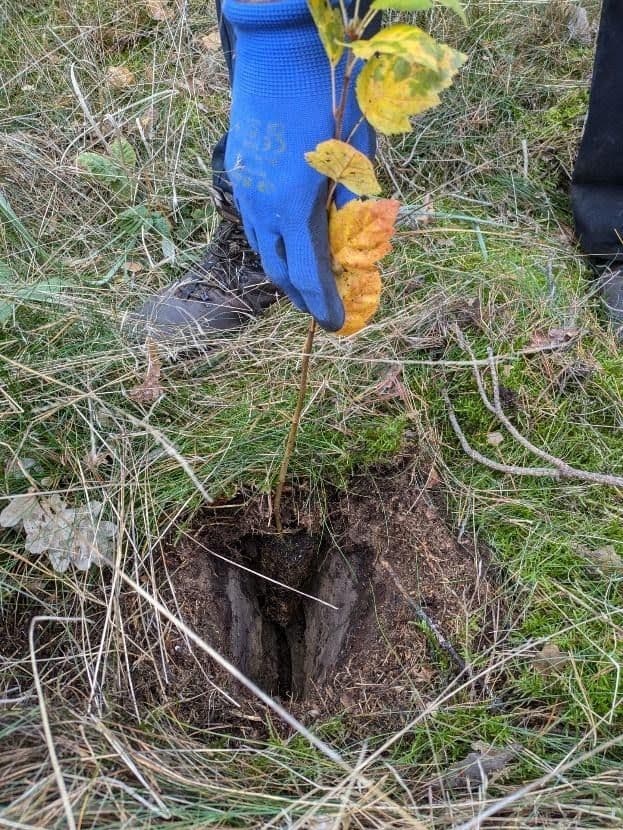
Once again, seeds were sown in combination with soil preparation. To supplement natural regeneration, 5,960 trees were also planted, including Douglas fir, coast fir, silver fir, yew, larch, cherry, hazel, linden, and hornbeam.
12/2/2024
A Diverse Start to Forest Restoration
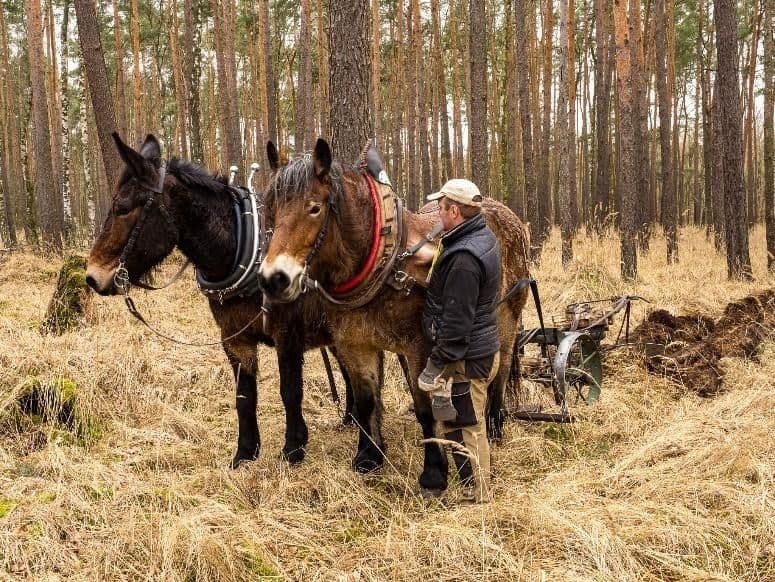
The soil was specifically prepared to encourage natural regeneration, supplemented in some areas with additional seeds. In addition, 2,550 trees were planted, including wild service trees, sweet chestnuts, and coastal firs. Natural regeneration has already taken hold successfully.
4/4/2025
Successful Third-Party-Certification
Following a site visit in March 2025, the project was successfully audited and certified by TÜV Nord Cert according to the Forest Climate Standard (WKS). The validation report has been submitted, and the credits have been issued and are now available.
3/10/2025
Site visit by the auditor
As part of the project certification, an on-site visit was carried out by the auditor at the start of the climate project. Several stands were inspected on a sample basis to assess the initial condition of the area.
1/1/2023
Project start
Start of project activities.