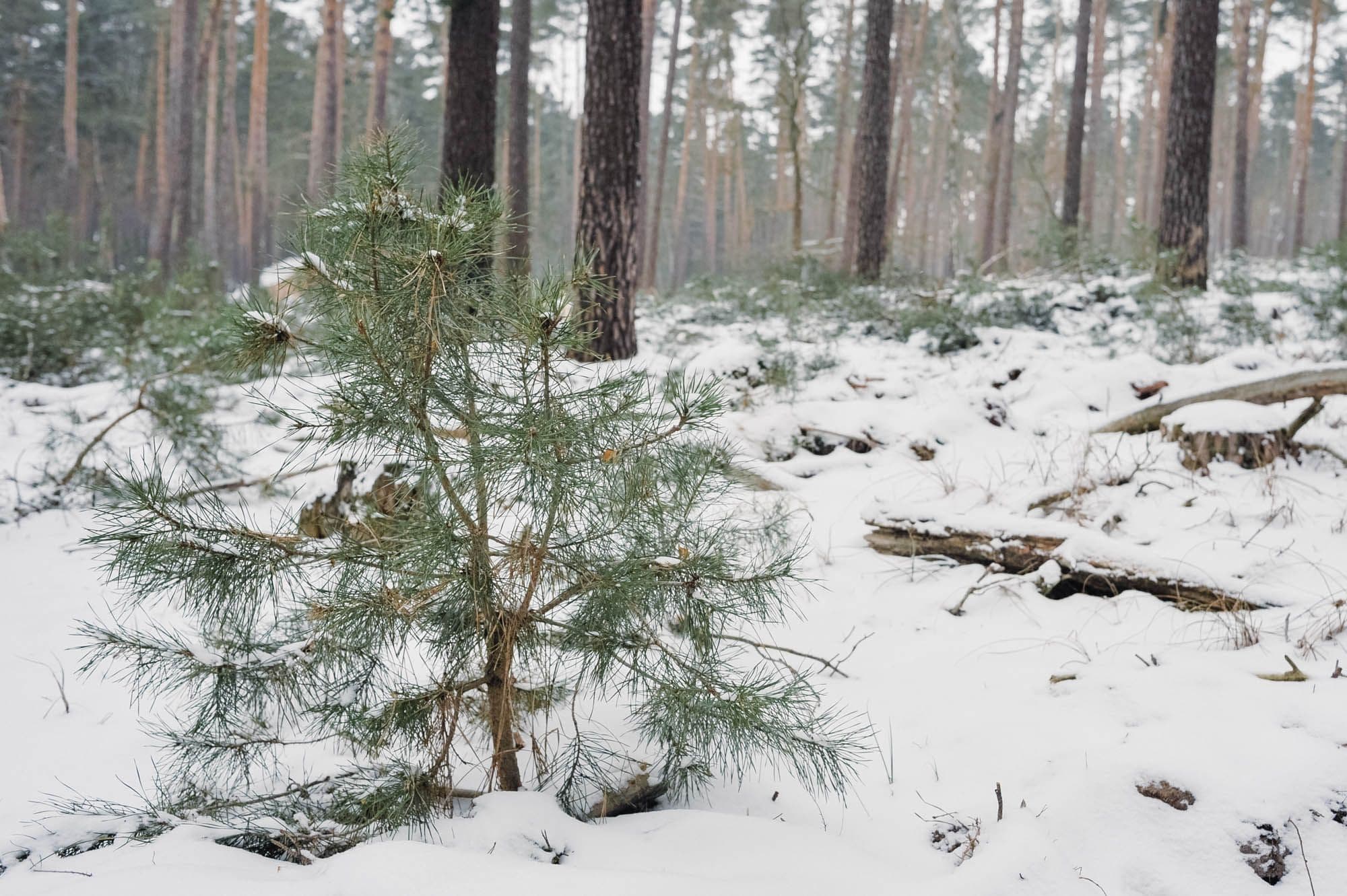

Project Description and Activities
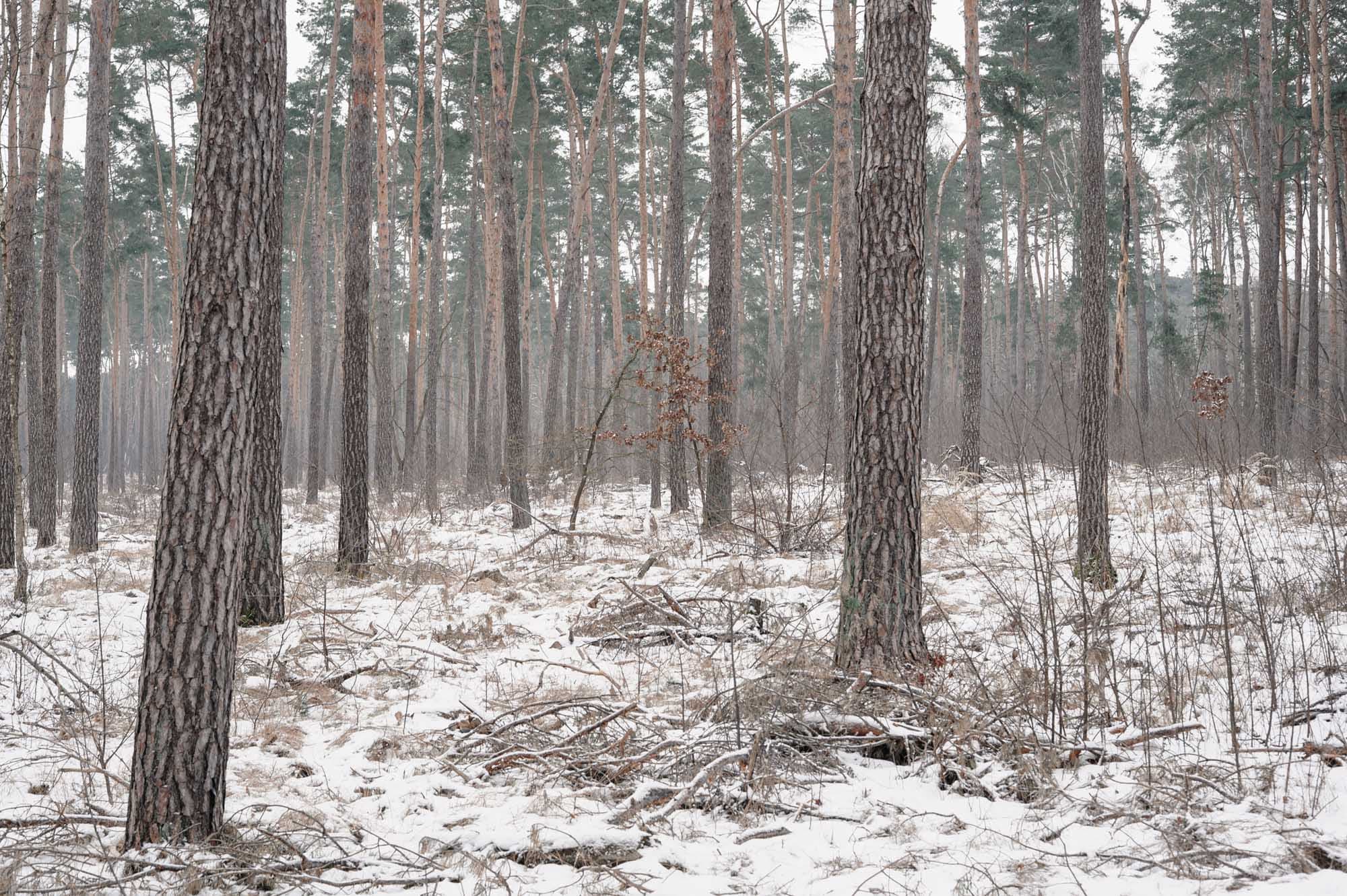
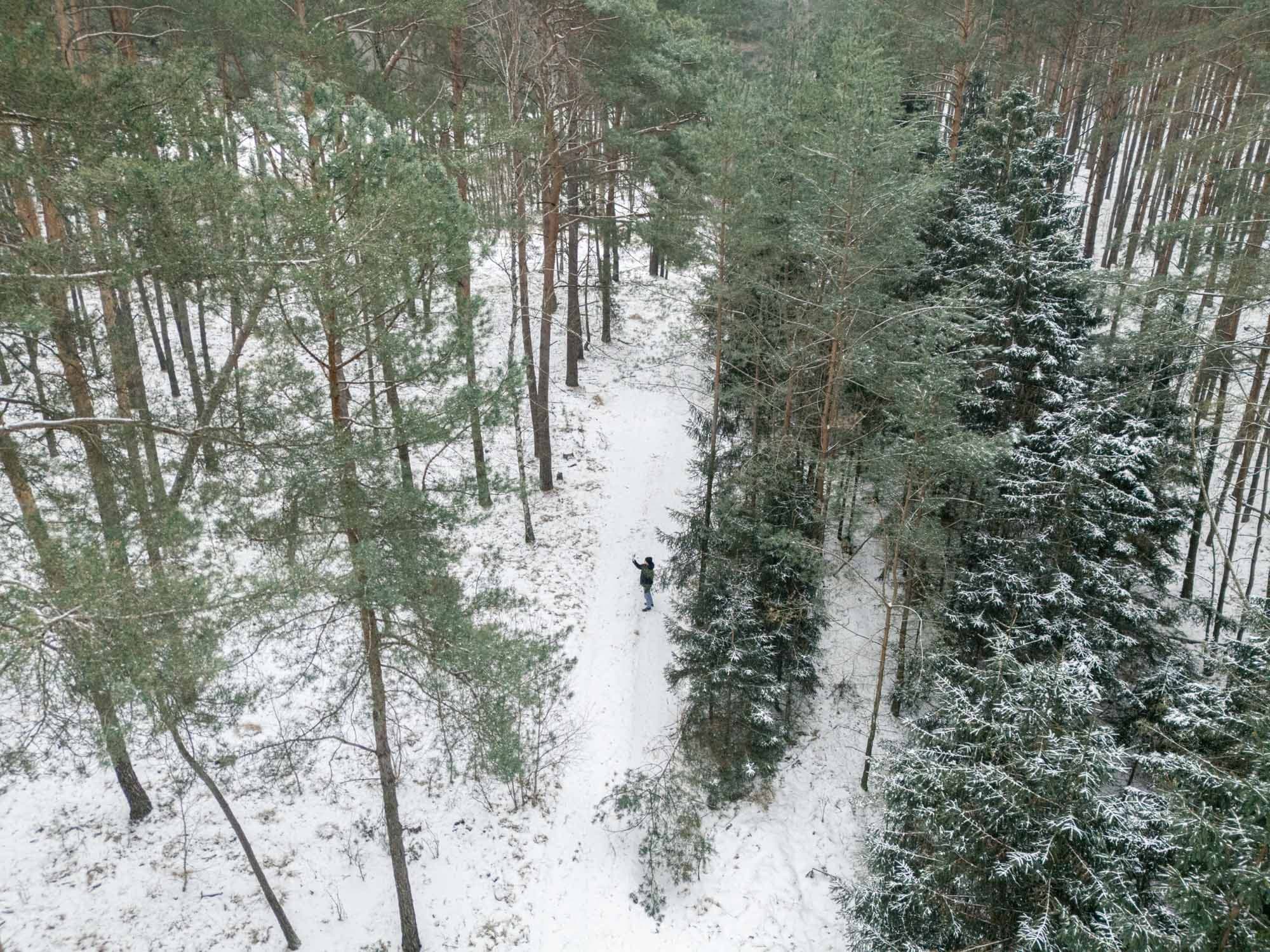
The Löwenberg project is located between Berlin and Hamburg and covers an area of approximately 247 hectares.
The objective is the gradual transformation of pine-dominated even-aged forests into structurally diverse, climate-resilient mixed stands.
Against the backdrop of ongoing climate change, existing pure pine stands are being further developed through targeted thinning, natural regeneration, and the introduction of site-adapted tree species. Under the shelter of a light pine canopy, new multi-layered forest structures are emerging with increased ecological stability.
Tree species used include, among others, oak, larch, Douglas fir, red oak, silver birch, chestnut, pedunculate oak, and lime.
This approach promotes structural diversity, enhances adaptability to future climatic conditions, and at the same time enables sustainable forest use throughout the entire project duration.
Project activities
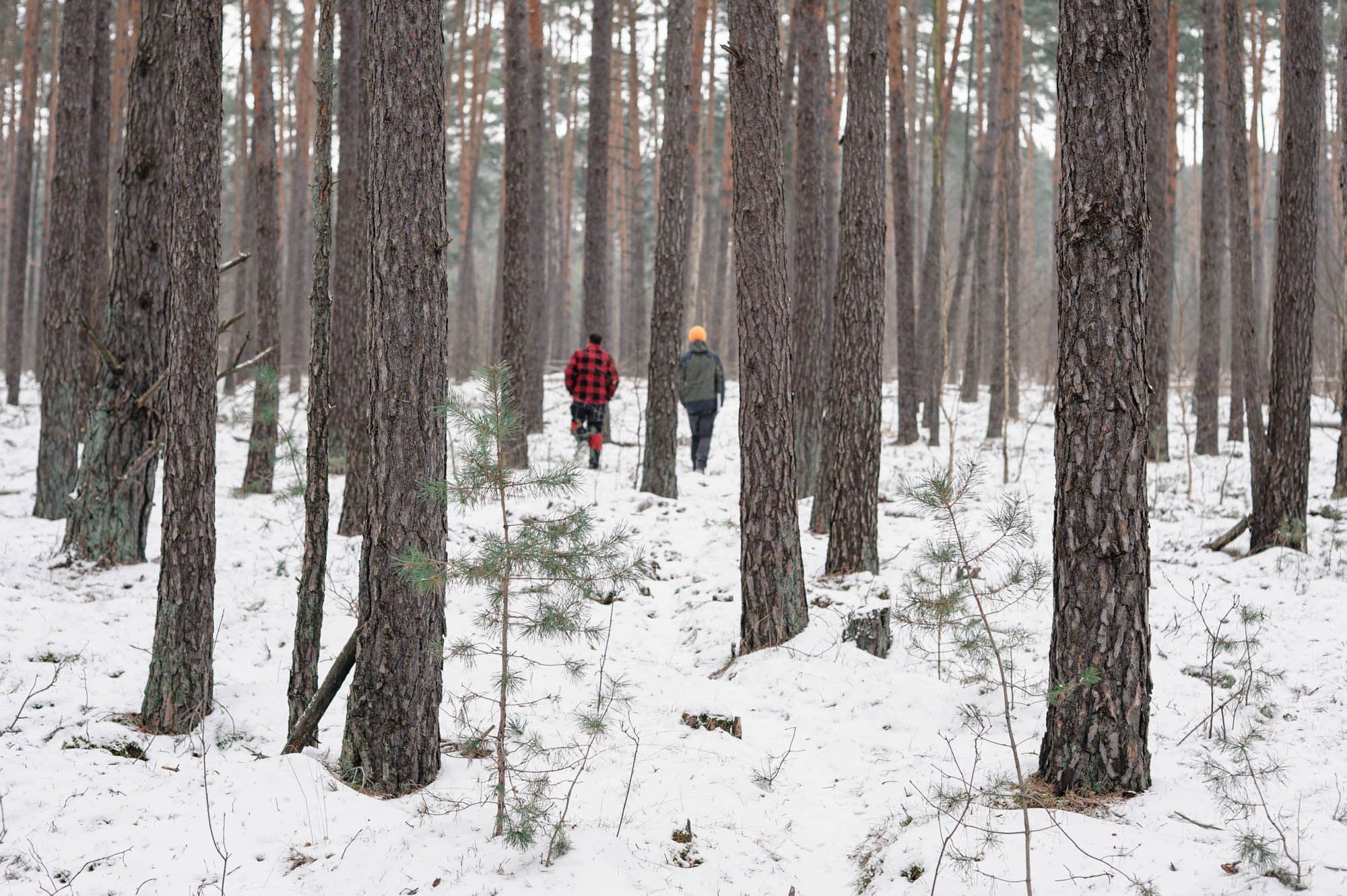
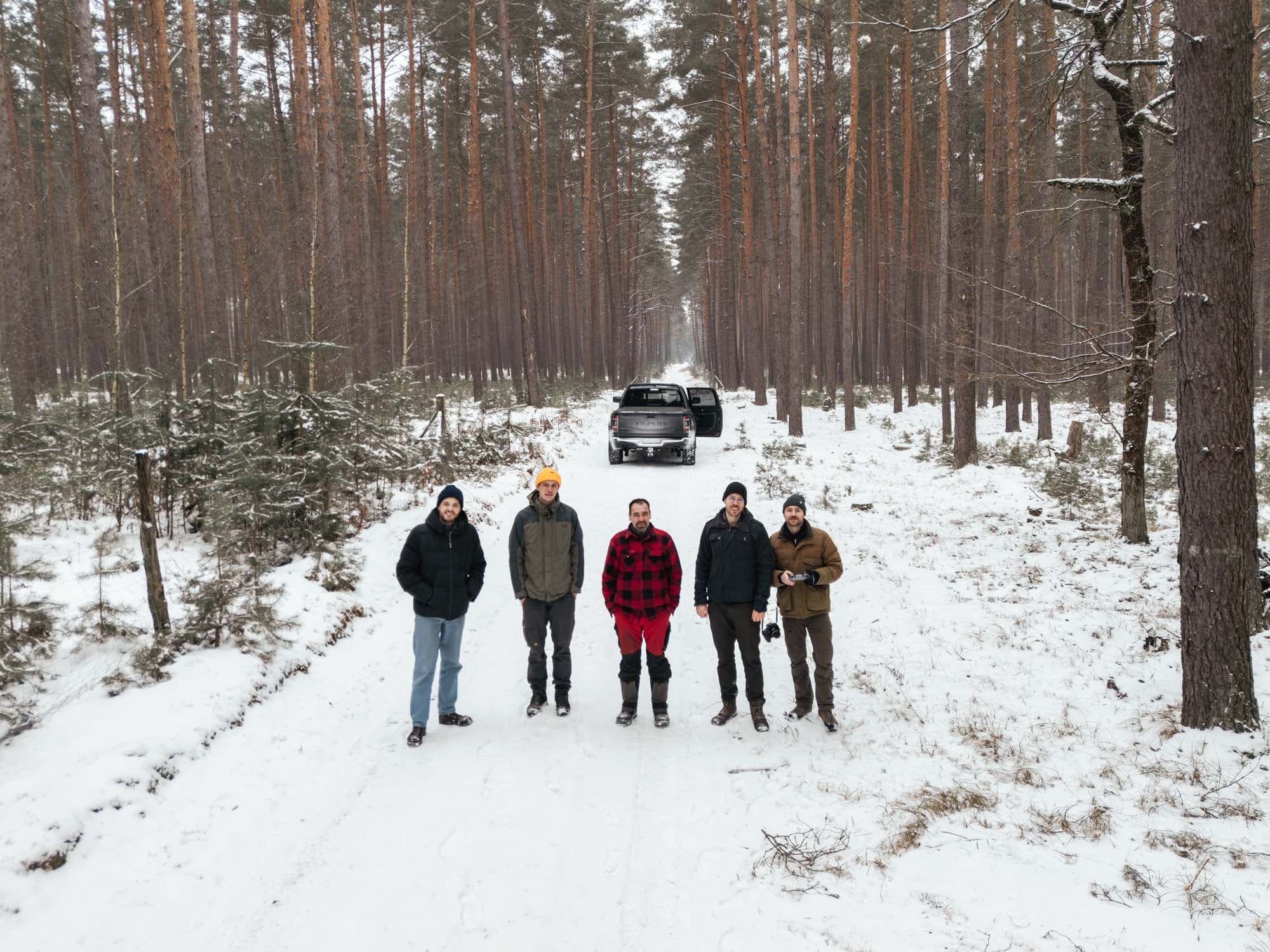
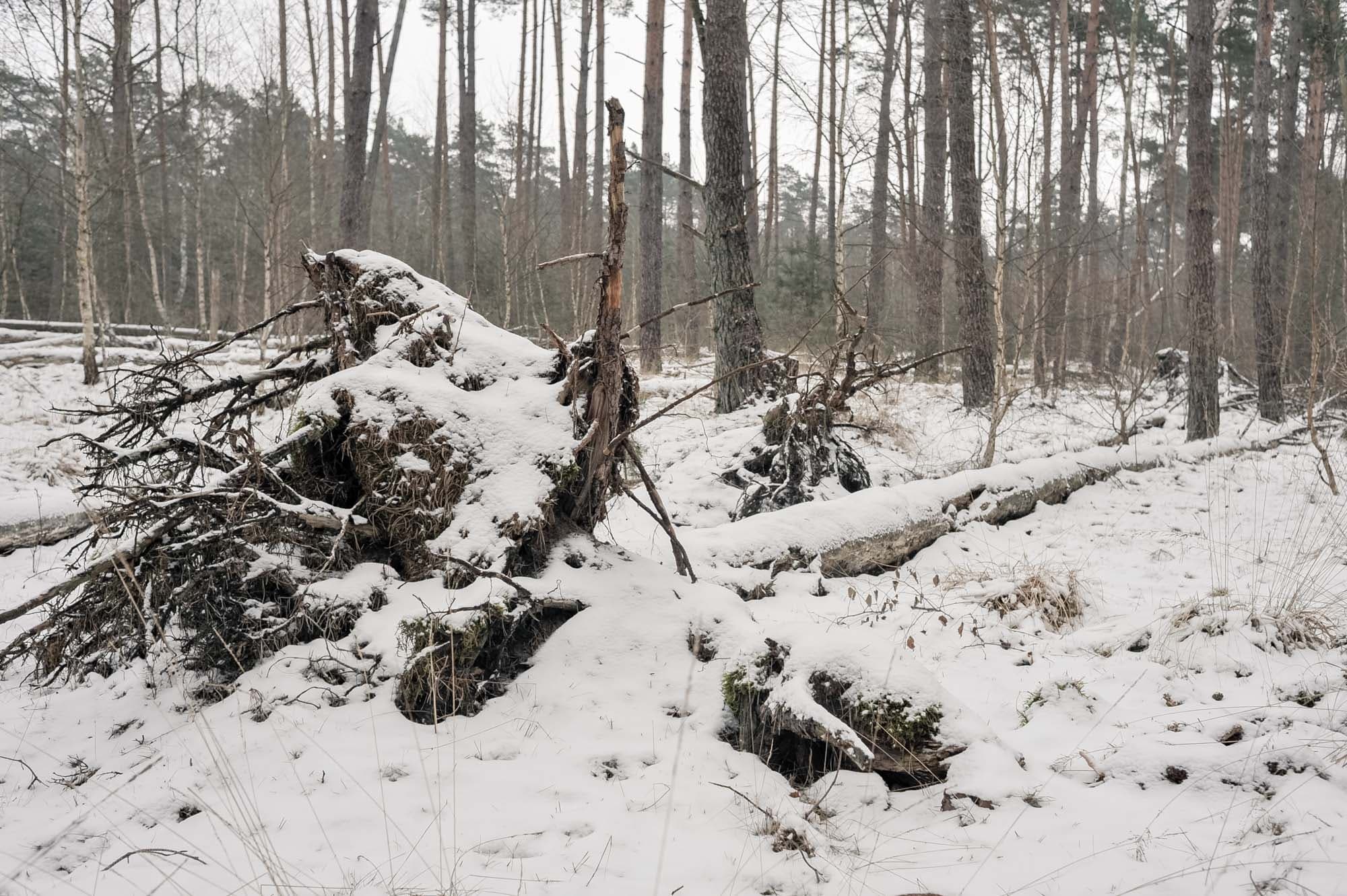
Impressions of the project
Why we need forest adaptation
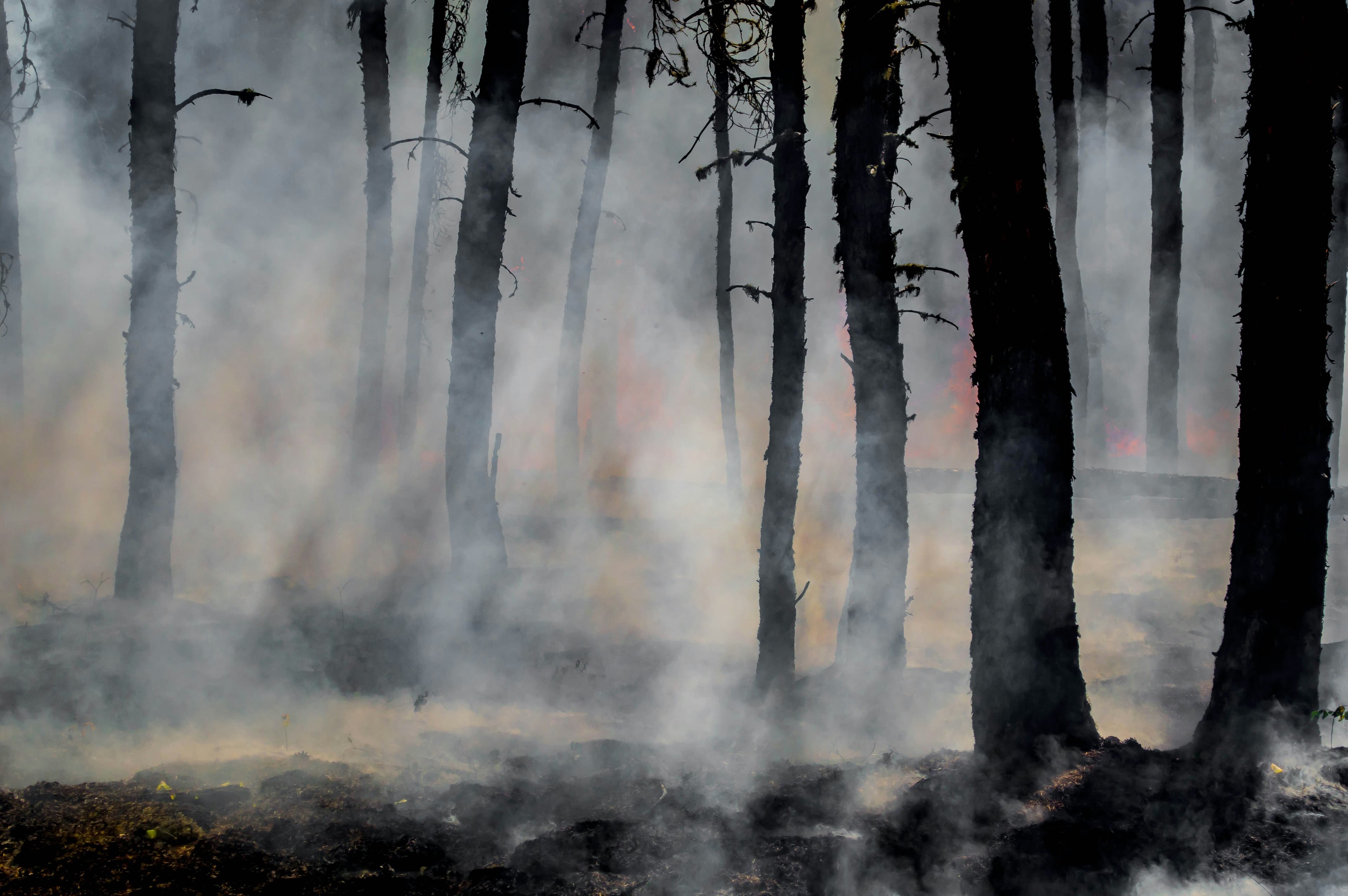
Forest fires
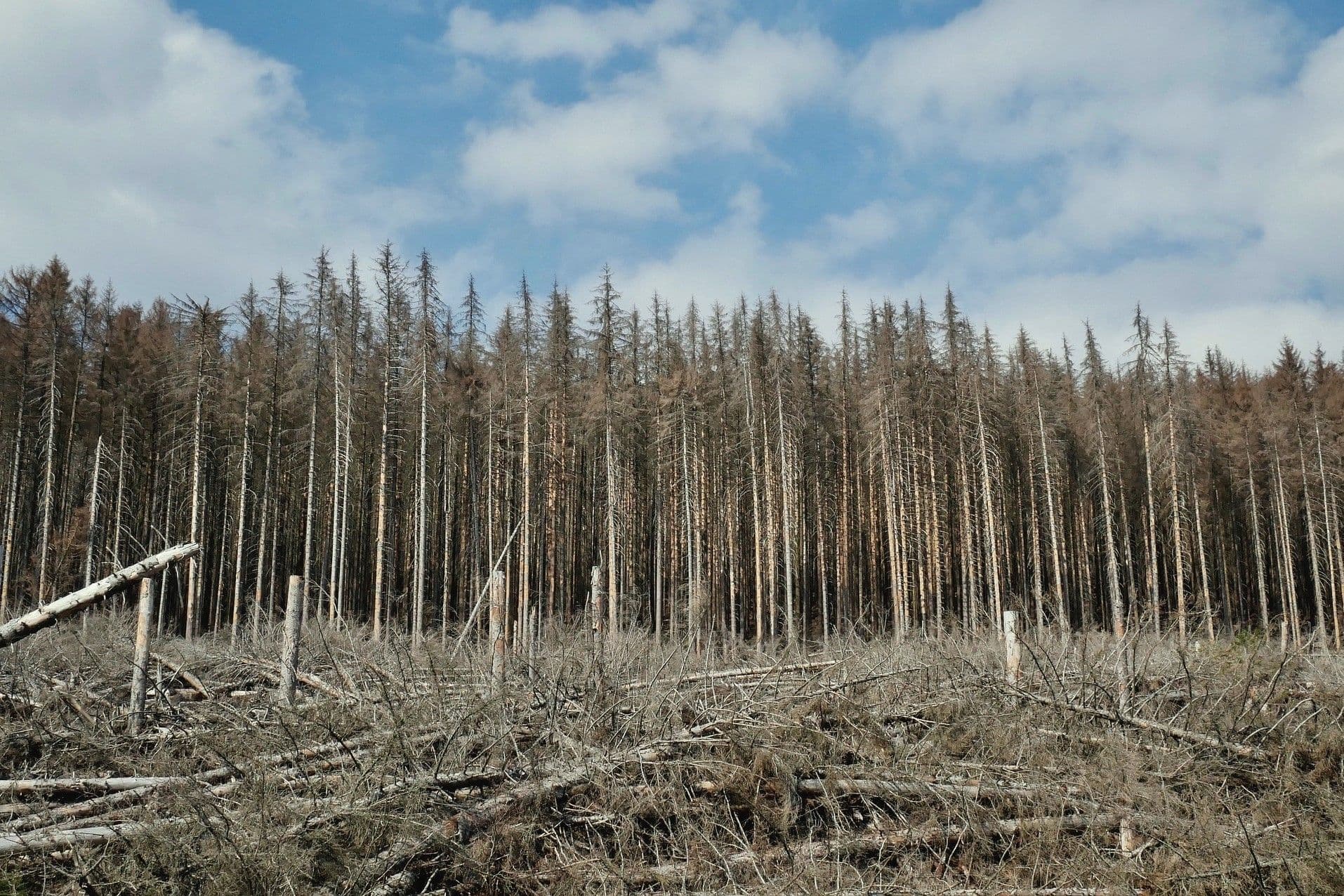
Wind plays a decisive role in the development of forest fires. In row-planted monocultures, the wind can easily push the fire through the stand, which leads to a faster spread of forest fires.
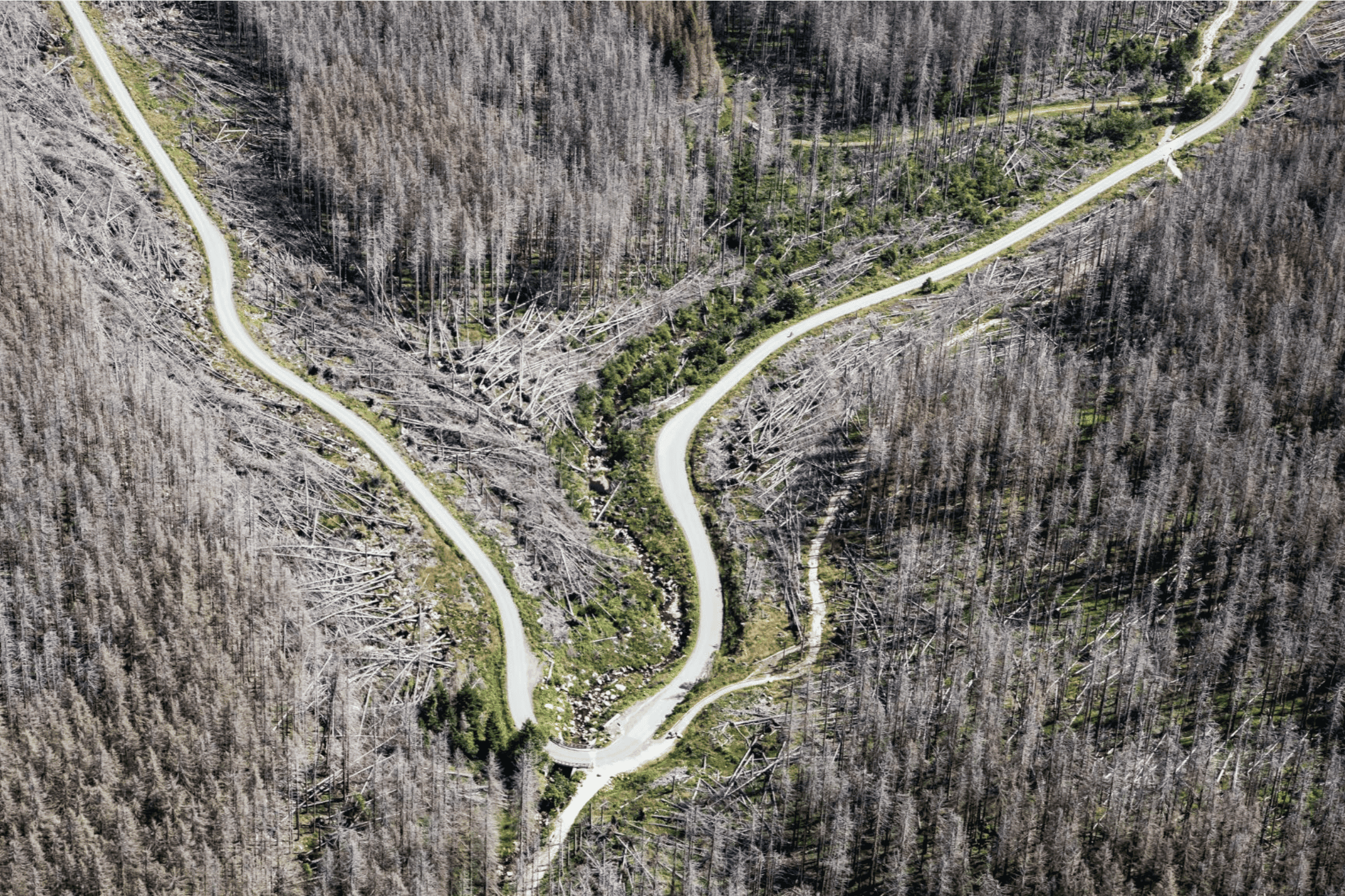
Beetle infestation
Prolonged drought weakens trees, which can then no longer adequately protect themselves against bark beetles and other infestations. As the trees are close together, a beetle infestation can easily spread to the entire forest and destroy large areas of it.
Storms
Forest areas with many tall and thin trees are more susceptible to storm damage (so-called windthrow). If, in addition, most of the trees in a section of forest are the same height, storms can lead to the loss of entire forest sections.
Impact of the project
Species distribution at project start
Number of main tree species
Biodiversity Index
Contribution to the UN SDGs



Project updates
6/5/2026
A Foundation for New Growth
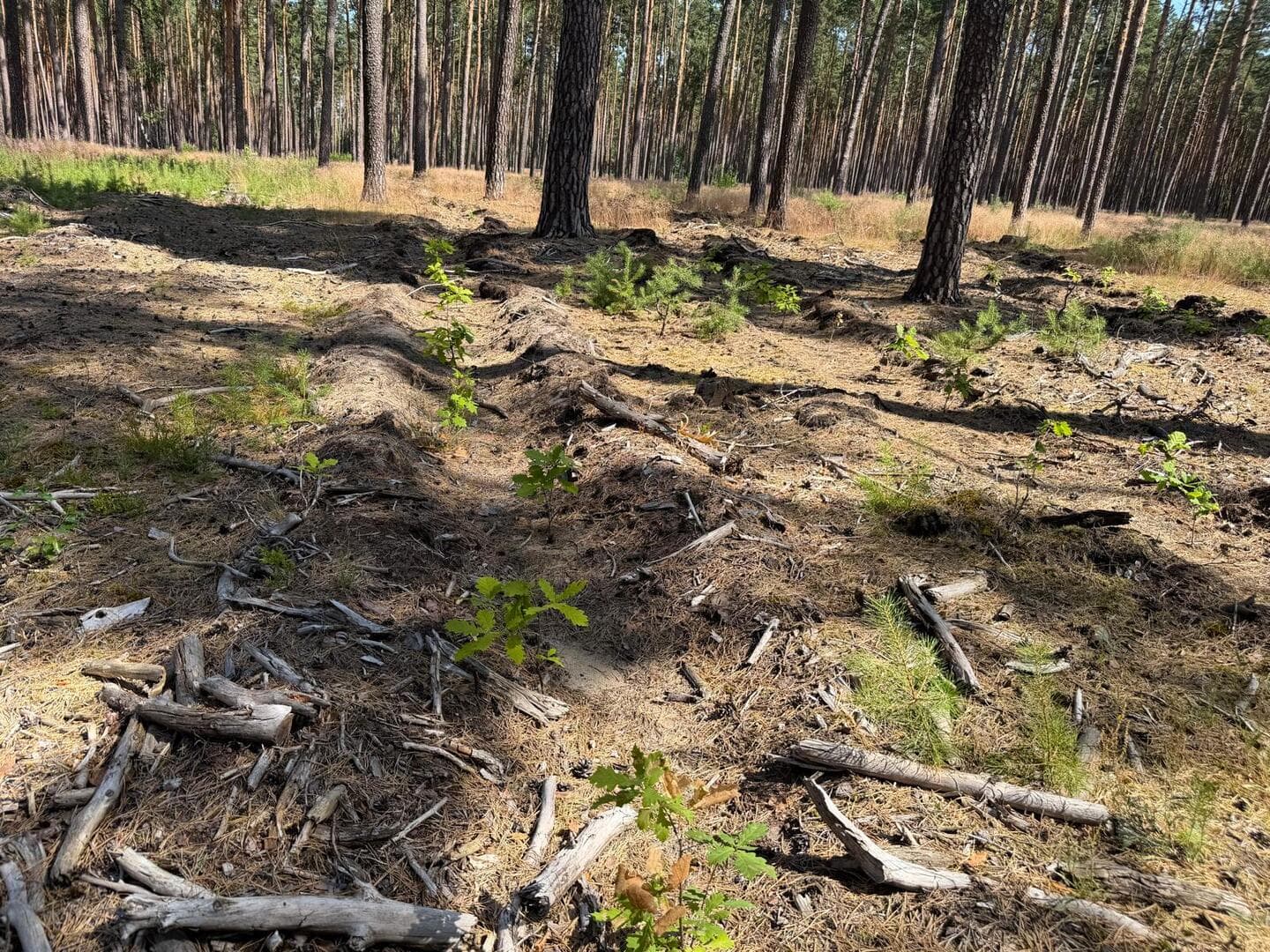
In May 2026, targeted soil preparation was carried out on an additional 12 hectares to promote the natural regeneration of the mixed tree species.
5/1/2026
Double Boost for Forest Regeneration
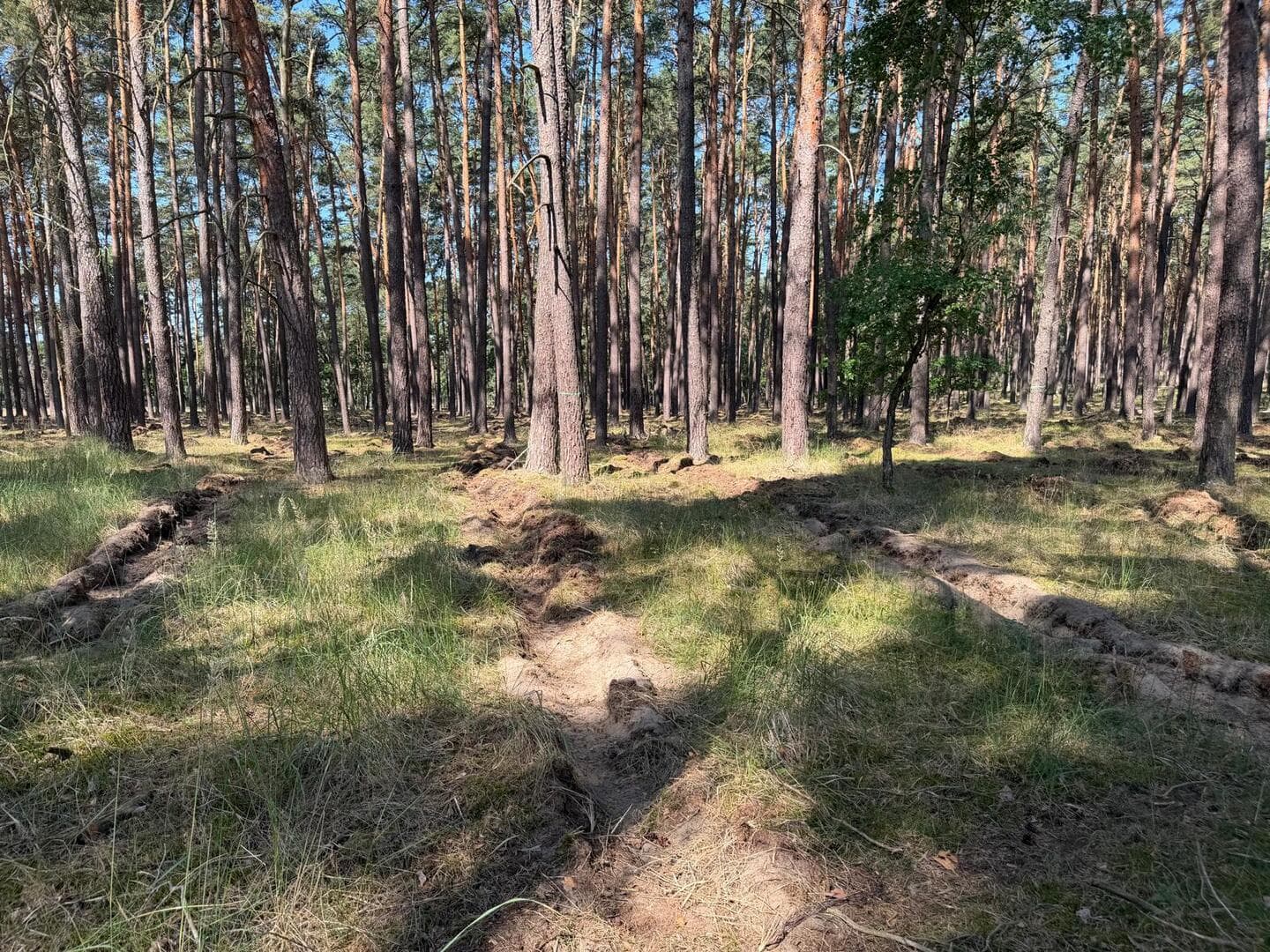
Between March and April 2026, soil preparation work was carried out on a total of approximately 34 hectares to promote natural regeneration. In addition, 12,000 trees of the coastal fir and larch species were planted, thereby increasing the proportion of climate-resilient tree species.
3/3/2026
Preparing for the Next Phase of Growth
In February 2026, approximately 805 solid cubic meters of timber were harvested, and approximately 1,050 running meters of protective fencing were installed to protect the young trees from wildlife browsing.
2/19/2026
Successful certification
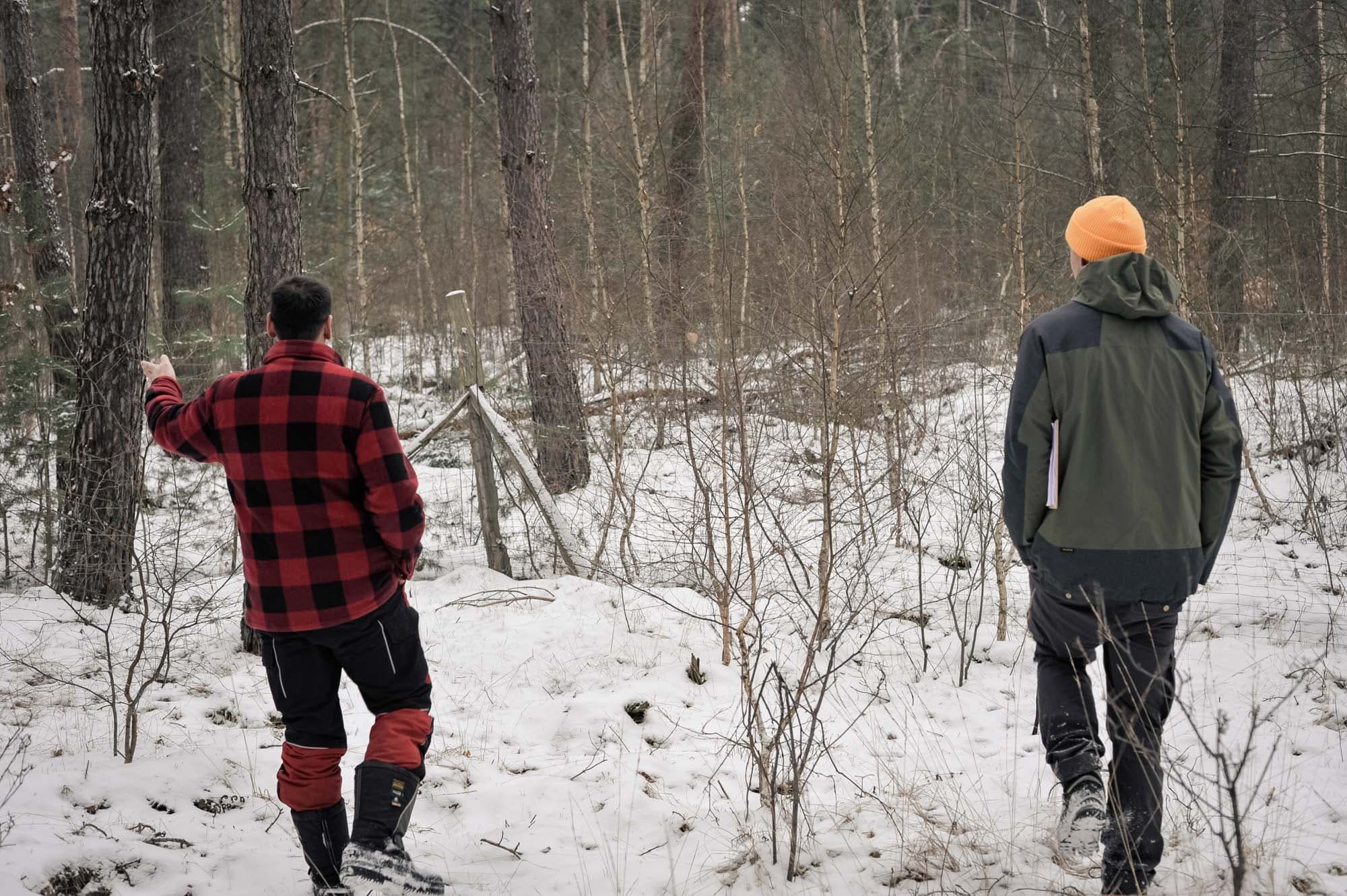
Following a site visit in February 2026, the project was audited by TÜV Nord Cert based on the Project Design Document (PDD). Subsequently, validation and certification were carried out in accordance with the applicable requirements; the corresponding credits have been issued and are now available.
2/5/2026
Site visit by the auditor
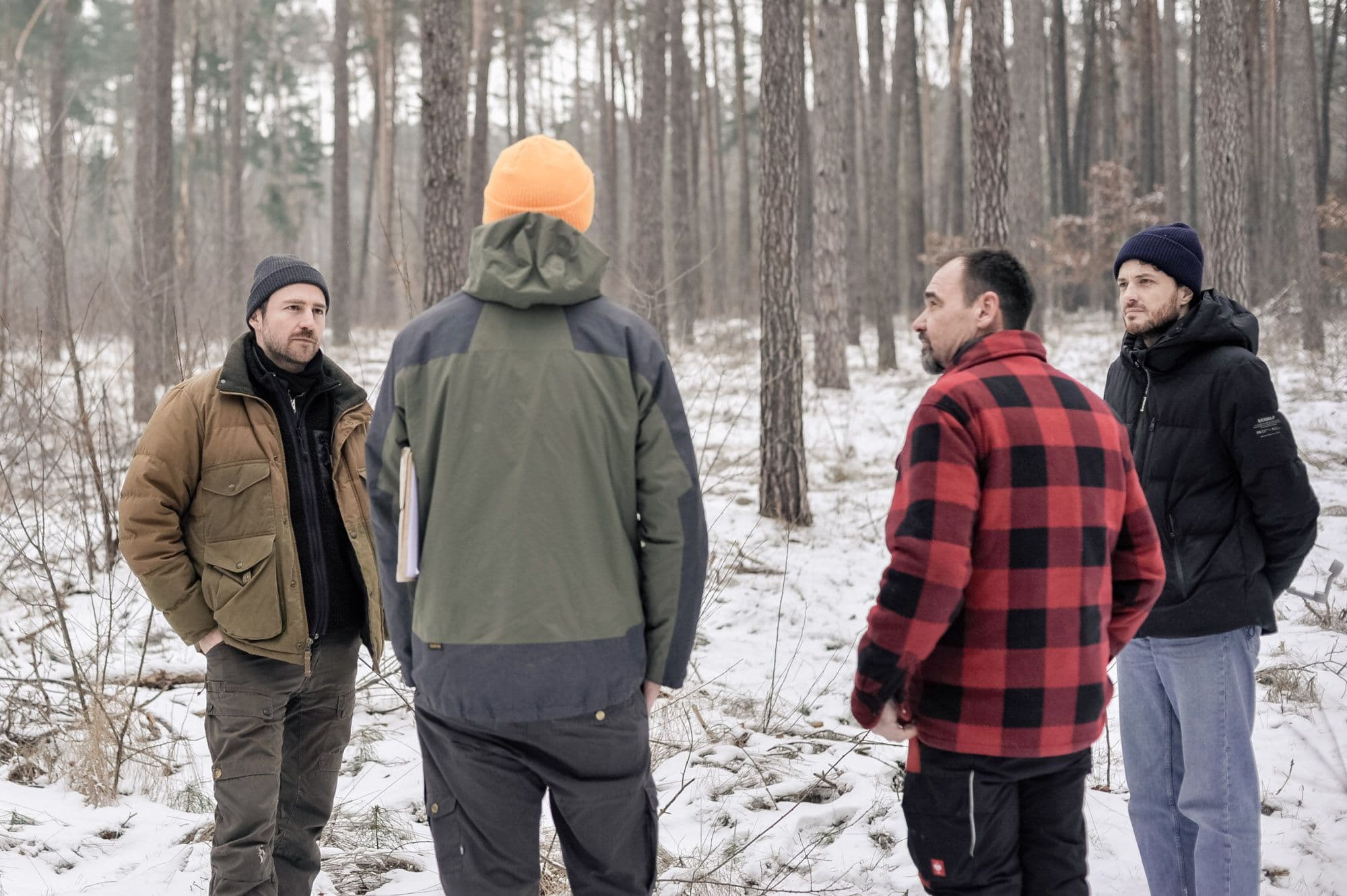
The on-site visit to the project area took place as part of the certification process at the project outset. Several forest stands were inspected to assess the initial silvicultural conditions as well as the site-specific characteristics of the project area.
1/1/2025
Project Start
Start of project activities on the project areas of Löwenberg