

Project Description and Activities
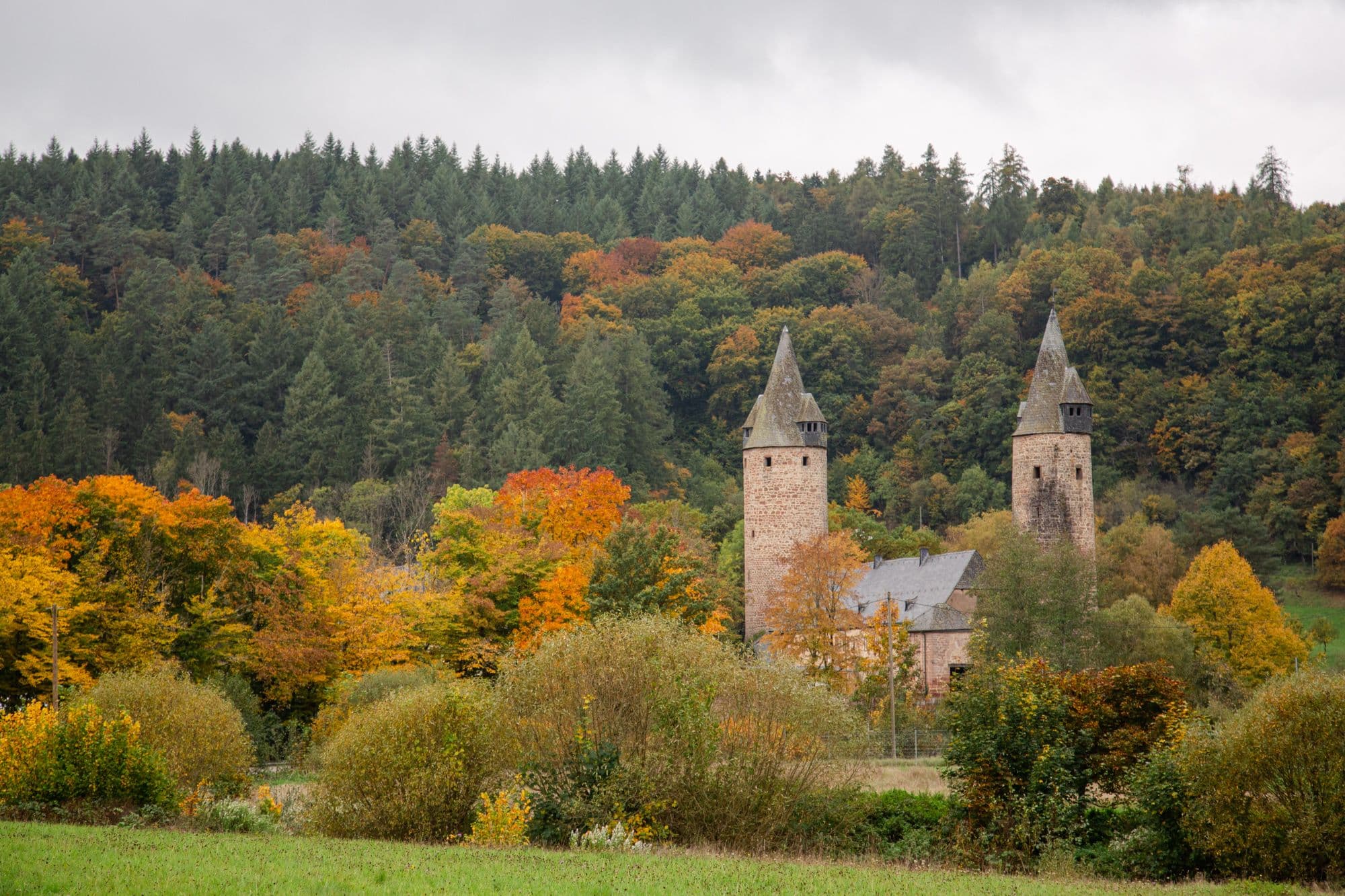
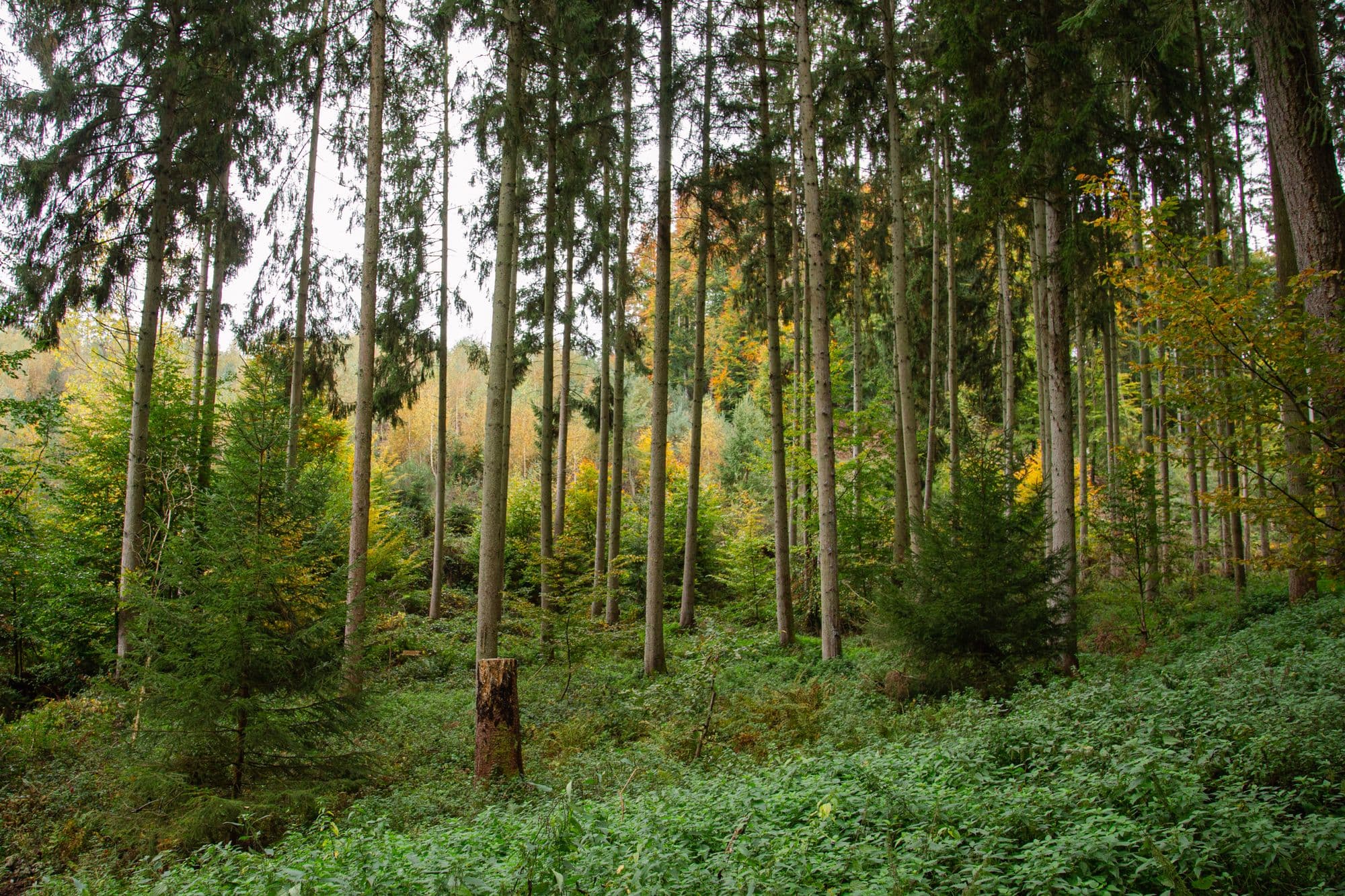
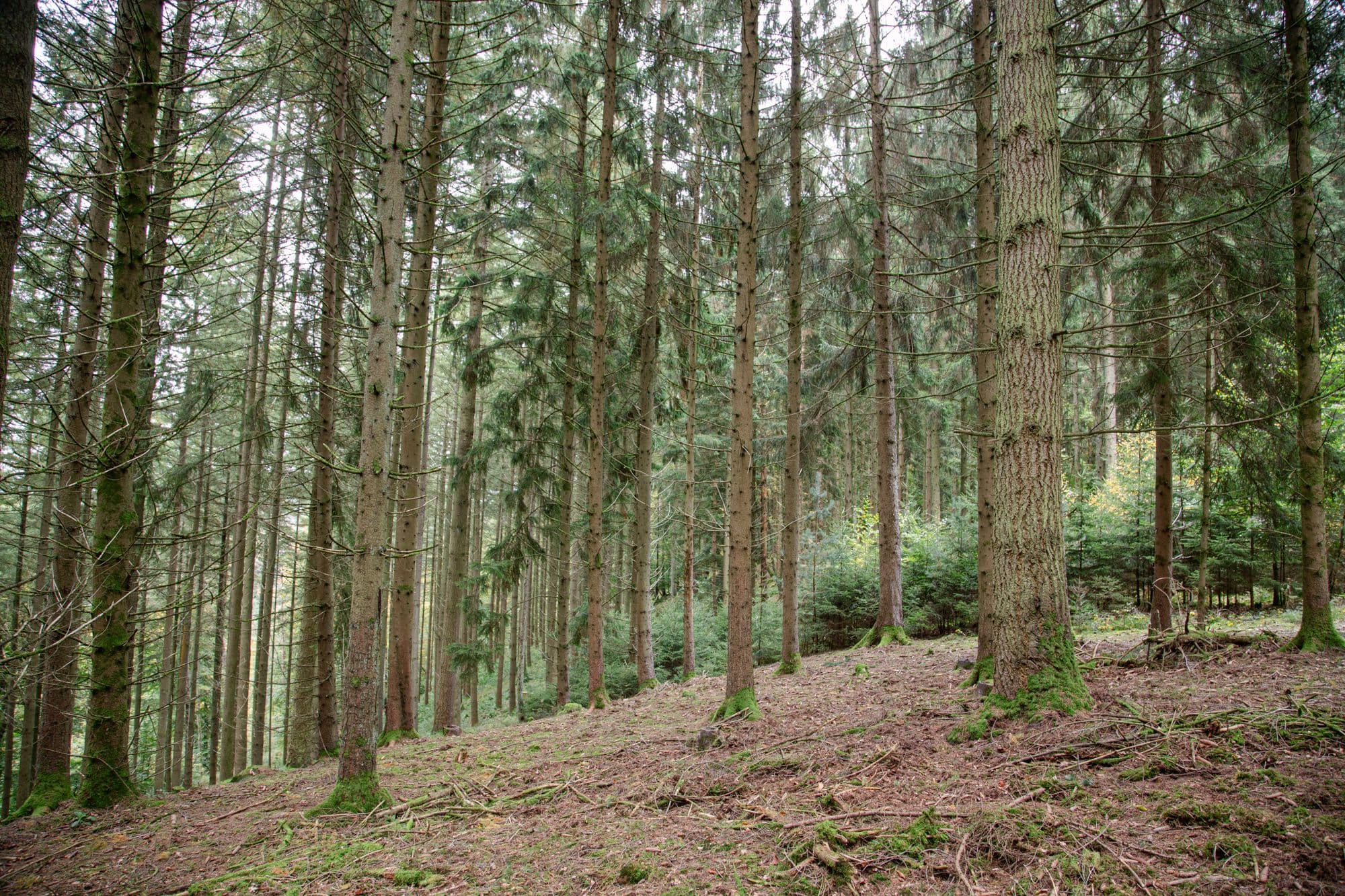
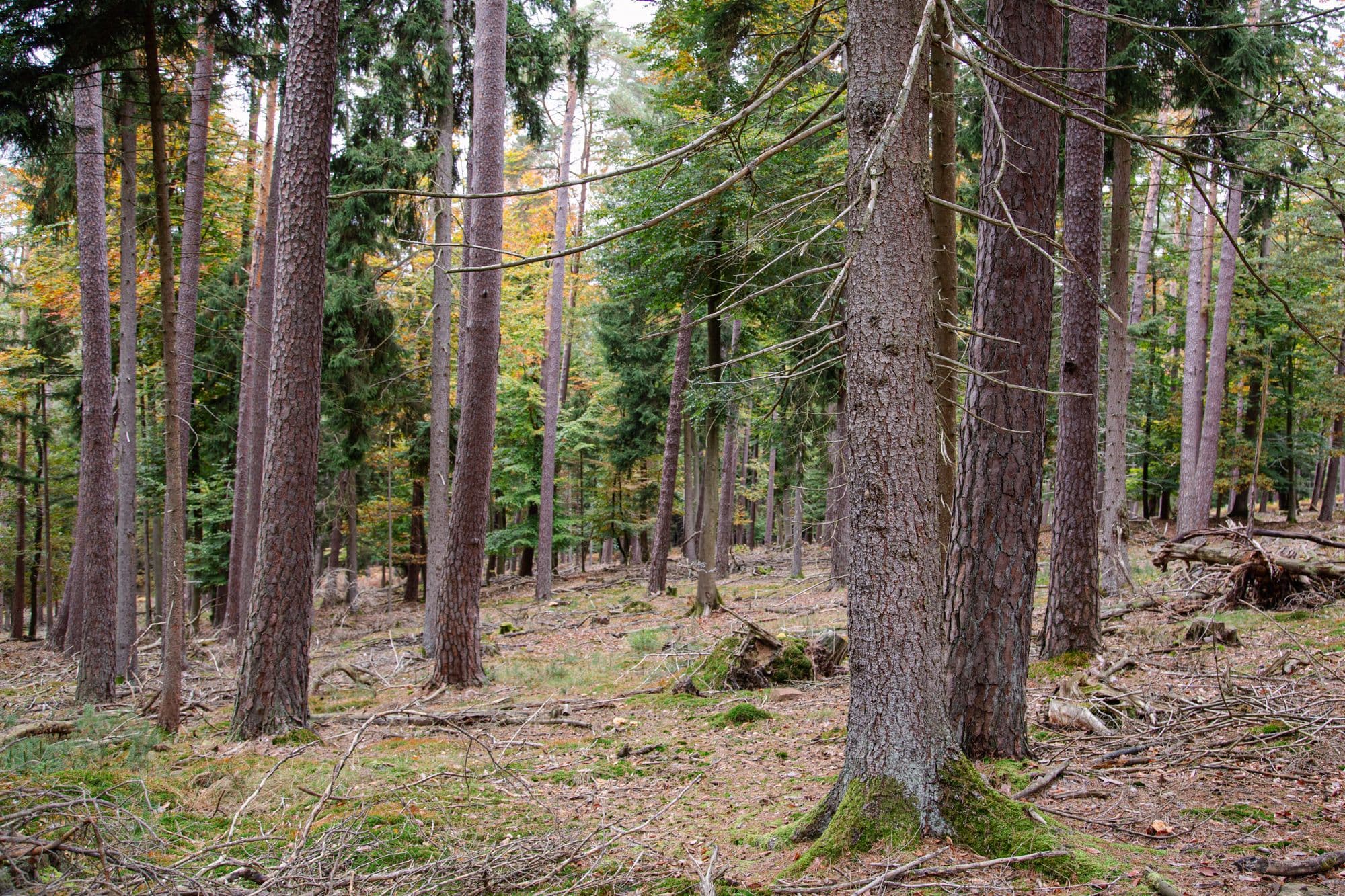
In the Erlenhof Climate Protection Project, approximately 200 hectares of conifer-dominated stands, mainly Douglas fir, pine, and spruce, are being transformed into climate- and site-adapted mixed forests. The focus lies on promoting natural regeneration and introducing site-appropriate deciduous tree species to enhance ecological stability and biodiversity.
A major challenge is shrub encroachment, which is being controlled through targeted maintenance measures. At the same time, wildlife management is being adapted to enable successful regeneration of mixed tree species.
Through these measures, around 24,000 tonnes of CO₂ will be sequestered and avoided over the next 30 years which contributes to climate protection and the long-term stability of forest ecosystems.
Project activities
Impressions of the project
Why we need forest adaptation
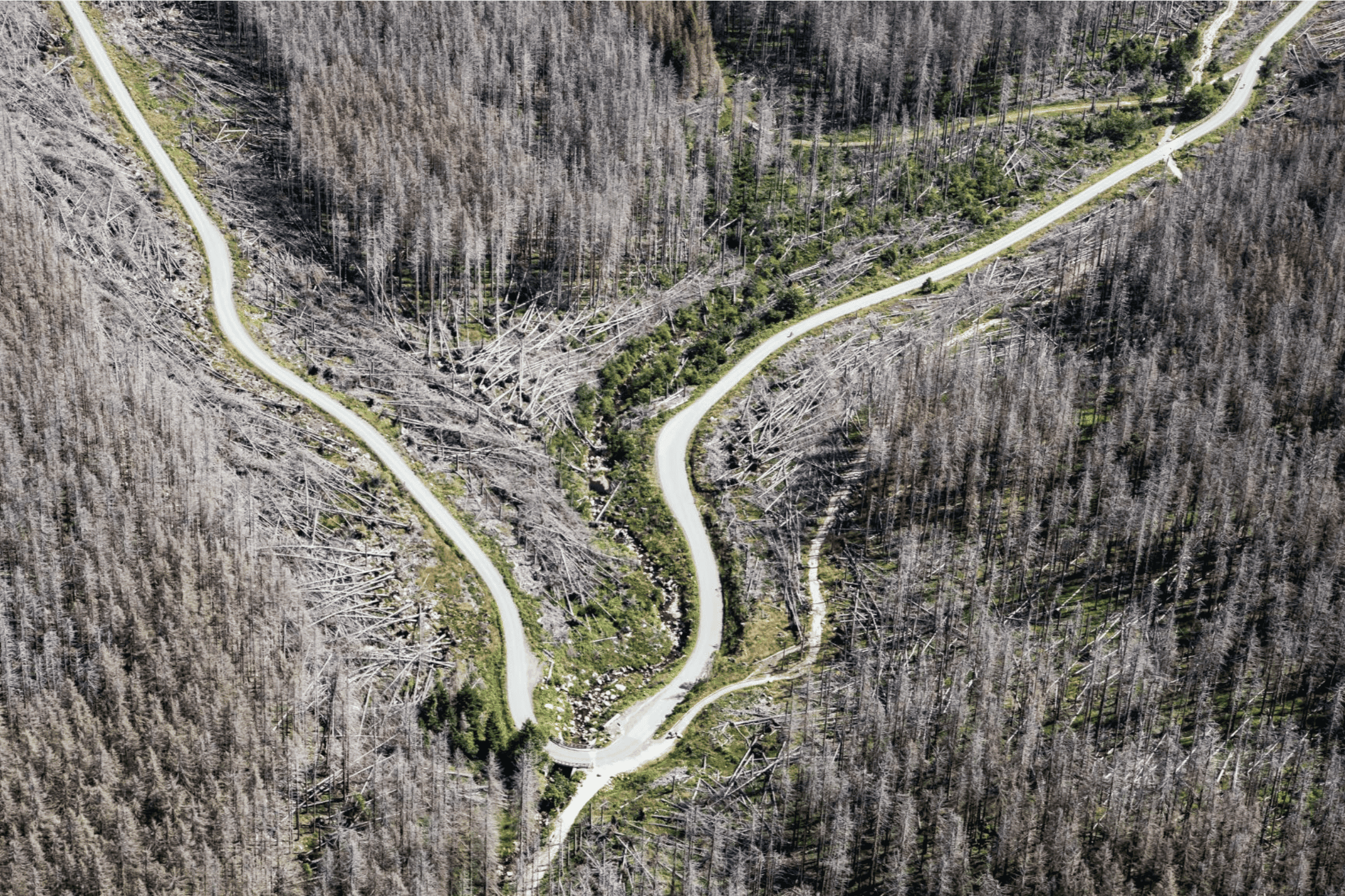
Beetle infestation
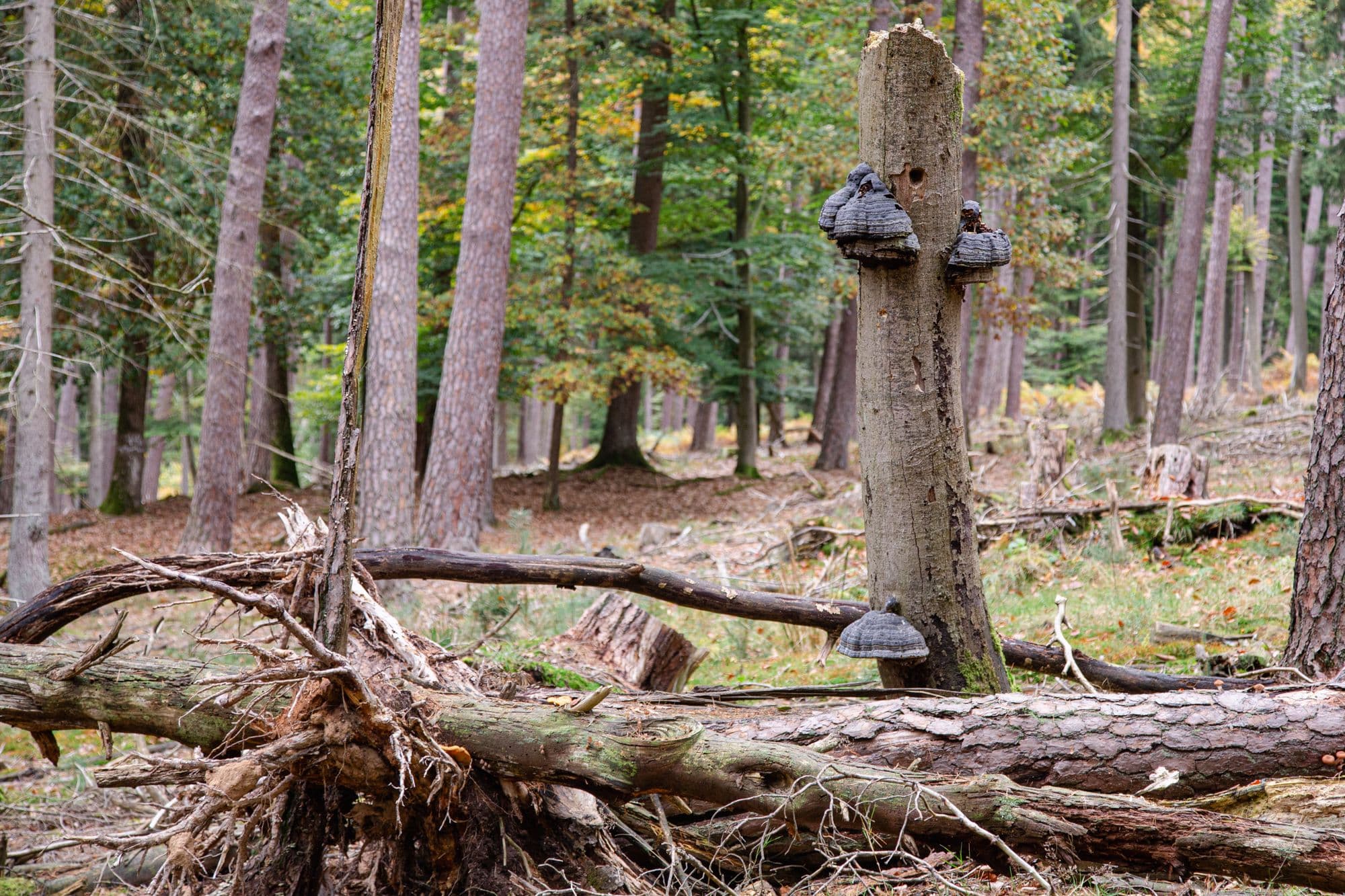
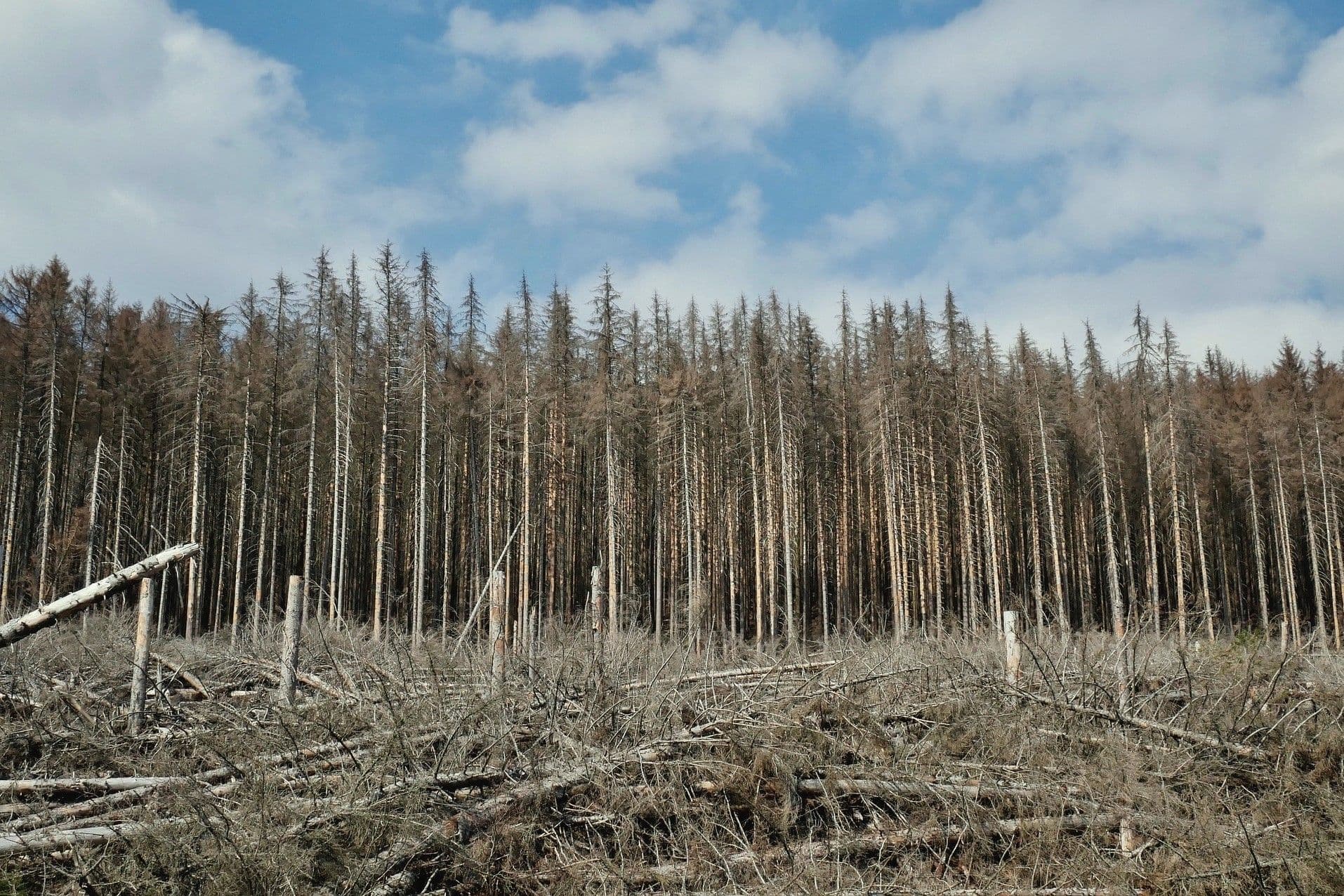
Prolonged drought weakens trees, which can then no longer adequately protect themselves against bark beetles and other infestations. As the trees are close together, a beetle infestation can easily spread to the entire forest and destroy large areas of it.
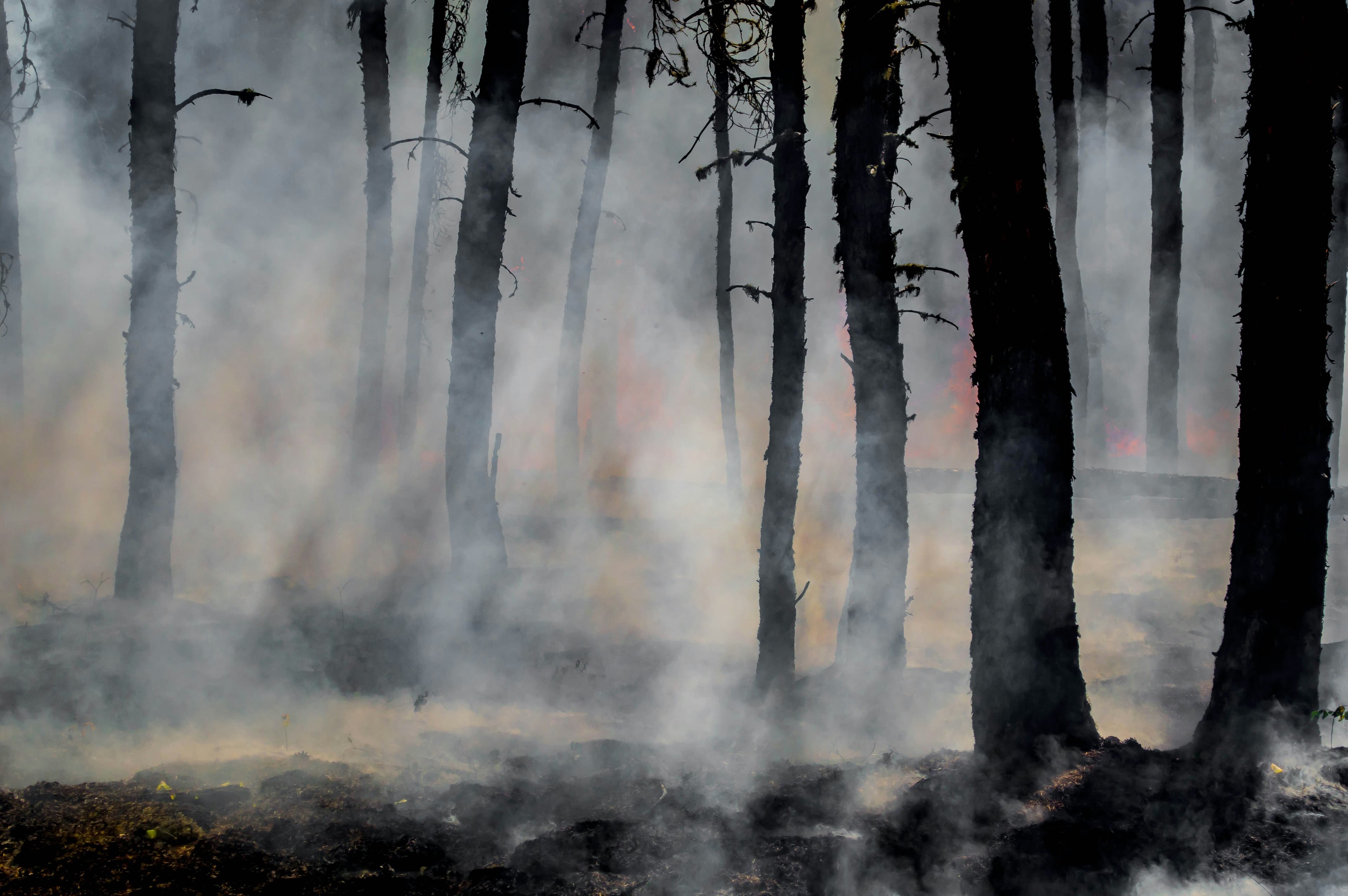
Forest fires
Wind plays a decisive role in the development of forest fires. In row-planted monocultures, the wind can easily push the fire through the stand, which leads to a faster spread of forest fires.
Storms
Forest areas with many tall and thin trees are more susceptible to storm damage (so-called windthrow). If, in addition, most of the trees in a section of forest are the same height, storms can lead to the loss of entire forest sections.
Impact of the project
Species distribution at project start
Biodiversity Index
Contribution to the UN SDGs


Project updates
10/15/2025
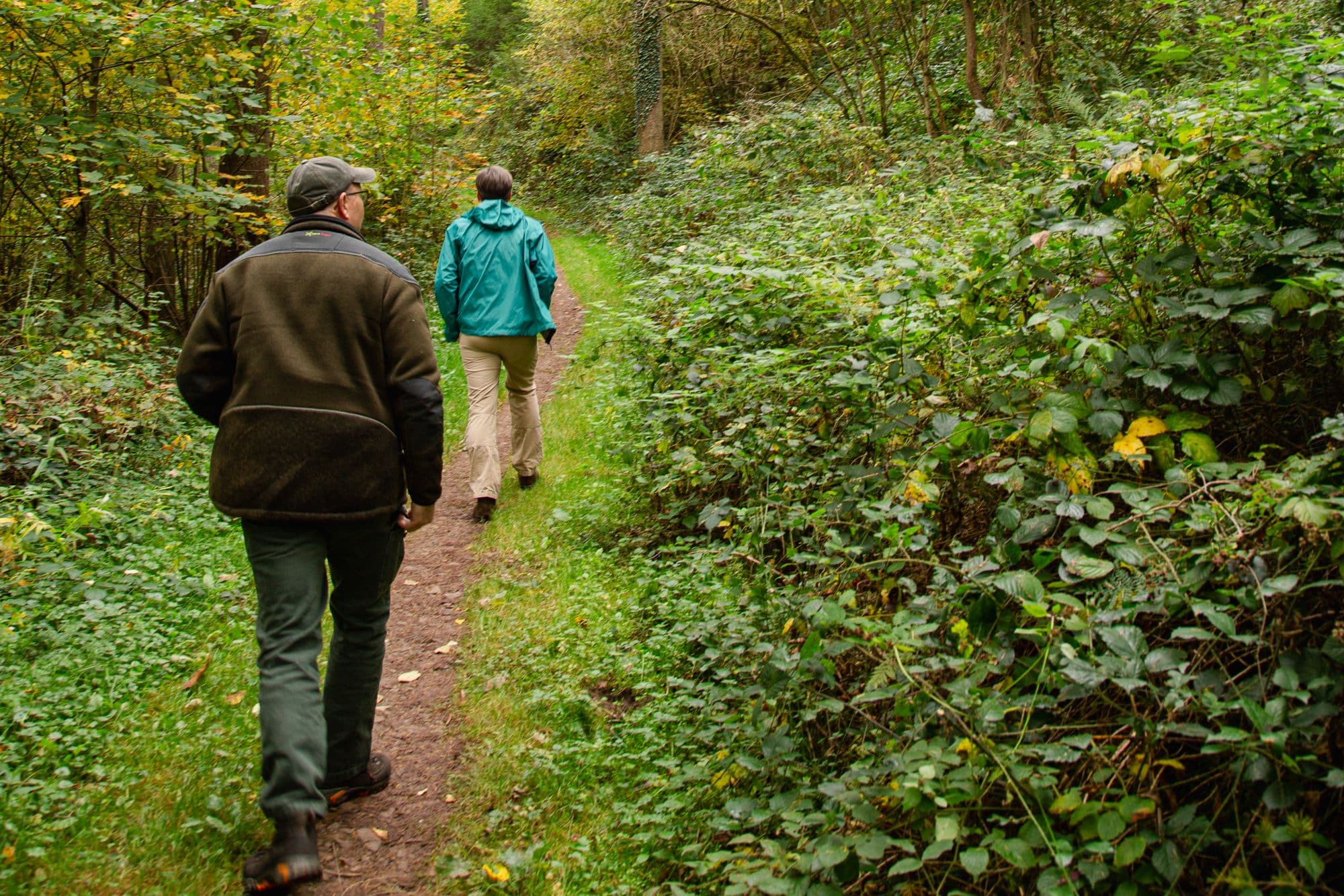
Site visit by the auditor
The site visit to the project area is part of the certification process at the start of the climate protection project. Several stands were inspected on a sample basis in order to document the baseline condition of the areas.
10/15/2025
Project start
In October 2025, the transformation of the areas was initiated. The planned measures will be implemented over the course of the next 30 years.
1/8/2026
Successful certification
After a site visit in October 2025, the project was successfully audited and certified by TÜV Nord Cert in accordance with the Forest Climate Standard (WKS).